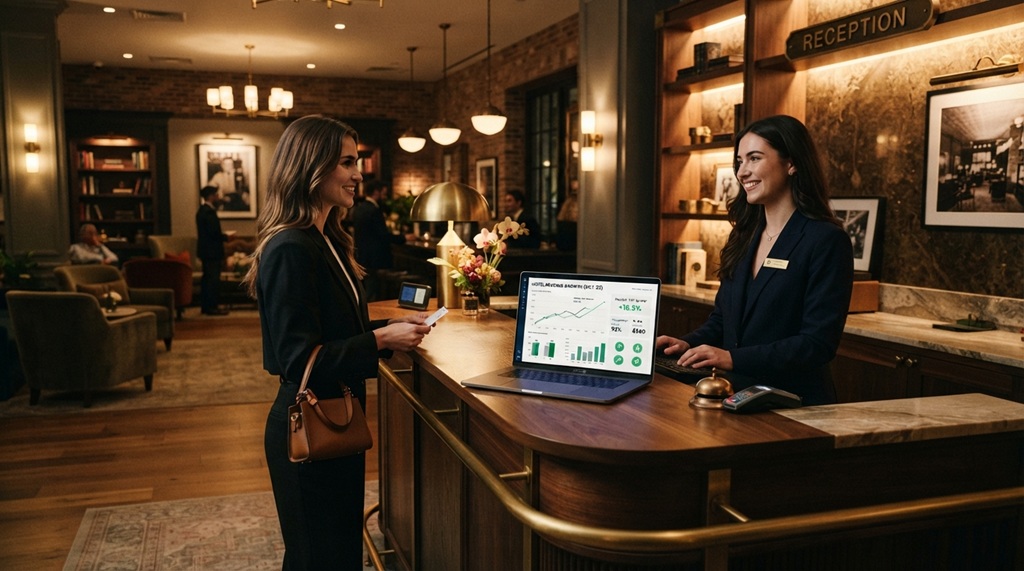
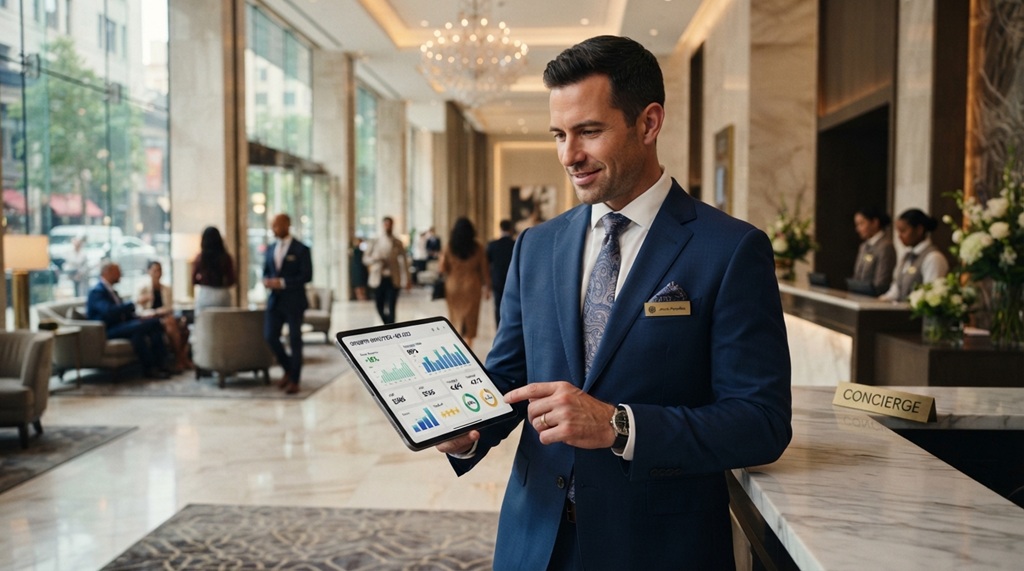
Improving hotel guest retention starts with one goal: make guests want to come back before they even check out. You do this by delivering a consistent experience, staying in touch after their stay, and giving them a real reason to book direct next time. Retention is not a marketing trick. It is the result of everything a guest feels from booking to departure.Continue reading →
How Luxury Hotels Build Loyalty Through Personalization
Luxury hotels build loyalty through personalization by remembering guest preferences and using that data to shape every interaction. A returning guest gets their favorite pillow type without asking. Their preferred table gets reserved before they check in. This kind of attention turns a one-time stay into a lasting relationship.Continue reading →
How Resorts Turn Around Low Occupancy Using Smart Data
Resorts fix low occupancy by tracking the right data and acting on it fast. They watch booking pace, guest source, cancellation patterns, and local demand signals. Then they adjust price, marketing, and packages before empty rooms pile up.Continue reading →
How Boutique Hotels Succeed Against Major Chain Giants
Boutique hotels win against major chains by doing what big brands cannot: offering personal service, unique design, and genuine local character. Guests pay a premium for experiences that feel authentic, not standardized. This is the core reason small independent properties keep thriving in a market dominated by giants like Marriott and Hilton.Continue reading →
How to Boost Hotel Eco-Friendly Practices to Win Guests
Guests now choose hotels based on how green they are, not just on price or location. To win them, you need to boost your hotel’s eco-friendly practices in ways guests can actually see and feel. This means visible changes: refill stations instead of plastic bottles, energy-saving lights, and clear signs that explain what you’re doing and why.Continue reading →
How to Use AI in Hotel Booking to Boost Direct Sales
AI helps hotels increase direct sales by personalizing offers, answering guest questions instantly, and pricing rooms smarter than static rate sheets ever could. It removes the friction that pushes travelers back to OTAs. The result: more bookings on your own website, and lower commission costs.Continue reading →
How to Attract Gen Z Travelers to Your Hotel
Attracting Gen Z travelers to your hotel means rethinking a few core things. Your booking experience, social media presence, pricing structure, and on-property amenities all need to reflect what this generation actually values: authenticity, flexibility, and digital convenience. Gen Z is generally defined as people born between 1997 and 2012. They’re now one of the fastest-growing segments of leisure travelers, and hotels still marketing to them like Millennials or Gen X are already falling behind.Continue reading →
How to Train Hotel Bar Staff for Faster Service
The fastest way to train hotel bar staff for faster service is to fix three things at once: workflow layout, drink-making repetition, and order-taking speed. Most hotels focus only on bartender skill and ignore the other two, which is why training often improves drink quality but not actual speed at the bar.Continue reading →
How to Upgrade Hotel Room Service and Delight Guests
To upgrade hotel room service, focus on four things: the menu, the ordering process, delivery speed, and small personal touches. It’s not about adding more items to a laminated card. It’s about removing friction and adding surprise. Guests now compare your in-room dining to food delivery apps, not just to the hotel down the street. The bar has quietly gotten much higher.Continue reading →
How to Price Hotel Restaurant Menus for Maximum Margin
Pricing a hotel restaurant menu for maximum margin comes down to three things. Know your true food cost per dish. Price based on contribution margin, not just cost percentage. Then design the menu layout to nudge guests toward your most profitable items. Get these three right, and you can lift restaurant profitability. You won’t need to raise prices across the board or scare off guests.Continue reading →